


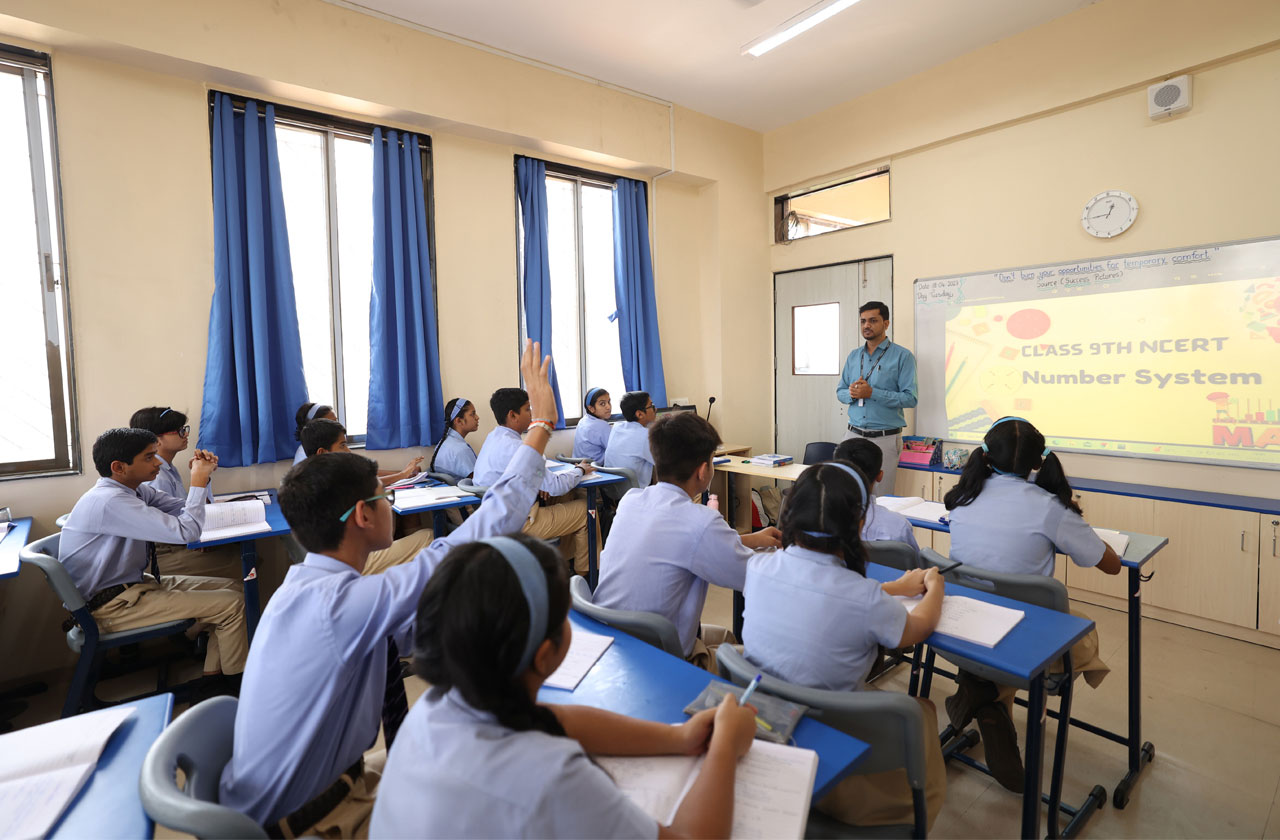
Education is the cornerstone of personal and societal growth. Over the last few decades, the education sector has experienced a significant transformation, driven by technological advancements, innovative teaching methodologies, and a growing emphasis on lifelong learning. From primary schooling to higher education, the way students learn and educators teach is evolving rapidly, reshaping the future of knowledge acquisition.
The Importance of Education in Modern Society
Education goes beyond textbooks and classrooms; it equips individuals with the skills, knowledge, and critical thinking abilities necessary to navigate complex challenges. Modern education fosters:
- Cognitive development – Enhancing problem-solving, analysis, and creative thinking.
- Social skills – Promoting teamwork, communication, and cultural awareness.
- Career readiness – Providing practical skills for professional environments.
- Lifelong learning habits – Encouraging continuous skill development in a rapidly changing world.
By understanding the broader purpose of education, societies can design systems that produce well-rounded individuals prepared to contribute meaningfully to their communities.
Emerging Trends in Education
Education is no longer limited to the traditional classroom setting. Several trends are reshaping the sector globally:
1. Technology-Enhanced Learning
Digital tools and e-learning platforms have revolutionized how students access knowledge:
- Online courses and MOOCs – Platforms like Coursera, edX, and Udemy provide high-quality courses globally.
- Virtual classrooms – Video conferencing tools allow educators to connect with students remotely.
- Interactive learning apps – Gamified learning and quizzes improve engagement and retention.
These technologies have made education more accessible and personalized, enabling students to learn at their own pace.
2. Personalized Learning
Modern education increasingly focuses on tailoring learning experiences to individual student needs. Personalized learning strategies include:
- Adaptive learning software – Platforms adjust content difficulty based on student performance.
- Individual learning plans (ILPs) – Teachers track student progress and modify instructional approaches.
- Competency-based learning – Students advance upon mastering skills rather than time spent in class.
Personalized education ensures that learners receive targeted support, maximizing their potential and reducing the risk of falling behind.
3. STEAM and Experiential Learning
STEAM (Science, Technology, Engineering, Arts, and Mathematics) emphasizes interdisciplinary learning:
- Hands-on projects – Encourage practical application of concepts.
- Critical thinking development – Students learn problem-solving through real-world scenarios.
- Collaboration – Group activities teach teamwork and leadership skills.
Experiential learning prepares students for future careers by combining theoretical knowledge with practical experience.
4. Inclusive and Equitable Education
Accessibility and equity have become central to educational policy worldwide:
- Special education programs – Tailored support for students with disabilities.
- Gender equality initiatives – Encouraging equal opportunities for all learners.
- Multilingual education – Supporting students in diverse linguistic environments.
Inclusive education promotes diversity and ensures that every student has the opportunity to succeed regardless of background or ability.
5. Lifelong Learning and Skills Development
With rapidly evolving job markets, education is no longer confined to early life:
- Professional development courses – Skill upgrades for employees in various industries.
- Micro-credentials and certifications – Short, focused learning experiences recognized by employers.
- Community education programs – Adult learning initiatives that promote personal and professional growth.
Lifelong learning helps individuals remain competitive and adaptable in a knowledge-driven economy.
The Role of Educators in Modern Education
Teachers and educators play a pivotal role in shaping the educational experience:
- Facilitators of learning – Guiding students in exploring concepts rather than merely delivering information.
- Mentors and advisors – Offering academic and emotional support.
- Innovators – Implementing technology, project-based learning, and flipped classrooms to enhance engagement.
- Assessors – Monitoring student progress using formative and summative evaluations.
The modern educator must balance traditional teaching skills with digital literacy, emotional intelligence, and adaptability to effectively support diverse learners.
Integrating Technology in Education
Technology integration is no longer optional; it is essential for modern education. Key strategies include:
1. Learning Management Systems (LMS)
Platforms like Canvas, Moodle, and Google Classroom streamline educational administration:
- Assignment distribution and submission
- Grading and progress tracking
- Communication between teachers, students, and parents
2. Artificial Intelligence in Education
AI enhances learning experiences through:
- Personalized content recommendations
- Intelligent tutoring systems for individualized support
- Predictive analytics to identify students at risk
3. Virtual and Augmented Reality
VR and AR provide immersive learning environments:
- Simulating historical events or scientific experiments
- Creating virtual field trips and laboratory experiences
- Enhancing engagement through interactive visualization
Technology fosters creativity, engagement, and deeper understanding, making education more effective and enjoyable.
Challenges in Modern Education
Despite advances, the education sector faces significant challenges:
- Digital divide – Unequal access to technology and high-speed internet affects learning equity.
- Teacher shortages – Particularly in STEM and specialized subjects.
- Student mental health – Increased academic pressures impact well-being.
- Curriculum relevance – Rapidly changing industry demands require continuous updates to educational content.
Addressing these challenges requires collaboration among policymakers, educators, and communities to create adaptive, inclusive, and effective educational systems.
Tips for Students to Excel in Modern Education
Students can take proactive steps to thrive in contemporary educational environments:
- Adopt active learning strategies – Engage with material through discussions, projects, and practice exercises.
- Utilize technology wisely – Leverage online resources, educational apps, and virtual study groups.
- Develop time management skills – Balance coursework, assignments, and extracurricular activities.
- Seek mentorship and guidance – Build relationships with teachers and professionals for support and advice.
- Stay adaptable – Embrace changes in learning formats, subjects, and career paths.
Proactive learners who harness resources effectively are more likely to succeed academically and professionally.
The Future of Education
Education is poised for continuous transformation in the coming decades. Key future trends include:
- Globalized learning – Cross-border collaboration and international online courses.
- AI-driven personalized learning – More precise adaptation to individual student needs.
- Gamification and immersive experiences – Making learning fun and engaging.
- Sustainable education practices – Integrating environmental education and eco-friendly initiatives.
- Skill-focused curricula – Emphasizing competencies required in emerging industries.
Education will continue to evolve, equipping future generations with the skills, knowledge, and adaptability required to thrive in a complex, interconnected world.
Frequently Asked Questions (FAQs)
1. How has technology transformed education?
Technology has made learning more accessible, personalized, and interactive, enabling students to learn at their own pace and access global educational resources.
2. What is personalized learning, and why is it important?
Personalized learning tailors the educational experience to individual student needs, promoting better understanding, engagement, and skill mastery.
3. How does experiential learning benefit students?
Experiential learning emphasizes hands-on projects and real-world applications, helping students develop critical thinking, problem-solving, and collaboration skills.
4. What challenges do educators face in modern classrooms?
Educators must manage technology integration, diverse student needs, curriculum updates, and student mental health while maintaining effective teaching standards.
5. What is lifelong learning, and why does it matter?
Lifelong learning encourages continuous skill development throughout life, enabling individuals to remain competitive and adaptable in changing job markets.
6. How can students improve academic performance?
Active learning strategies, effective time management, utilization of technology, seeking mentorship, and adaptability to new learning methods enhance performance.
7. What role will AI play in the future of education?
AI will provide personalized learning, predictive analytics for student success, intelligent tutoring systems, and enhanced content recommendations to support educators and learners.
Education is no longer a static process; it is a dynamic, evolving ecosystem. By embracing innovation, inclusivity, and lifelong learning, students, educators, and policymakers can create an educational landscape that empowers individuals and drives societal progress.