


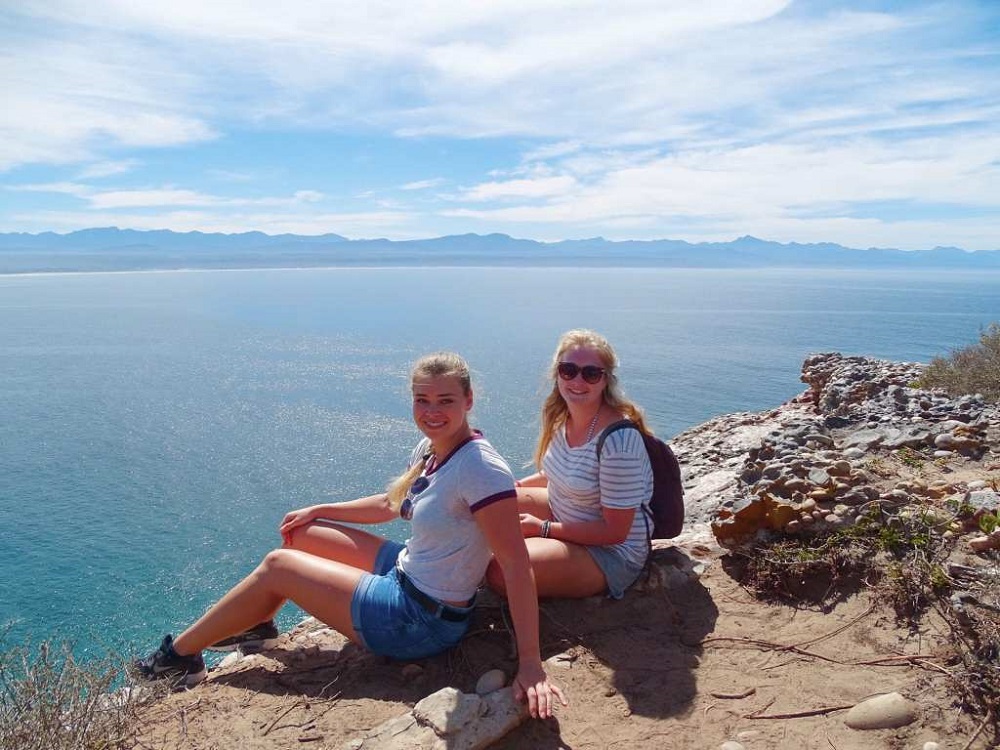
Traveling to a new destination brings an undeniable thrill. Experiencing novel landscapes, tasting regional cuisine, and navigating unfamiliar streets opens the mind in ways routine daily life cannot. Yet, for many travelers, the most enduring memories are not defined solely by historical monuments or scenic viewpoints, but by the people encountered along the journey. Human connection transforms a standard vacation into a rich, immersive adventure.
Meeting fellow wanderers and welcoming locals can feel intimidating, particularly when navigating language barriers or stepping outside your typical social comfort zones. However, connecting with others on the road does not require an aggressive, extroverted personality. By choosing the right environments, leveraging purposeful activities, and adopting an open mindset, building meaningful relationships while traveling becomes an intuitive and rewarding part of the adventure.
Choosing the Right Accommodation Architecture
Where you choose to sleep sets the baseline for your daily social opportunities. High-end, private hotel rooms offer comfort and seclusion, but they often isolate travelers within quiet hallways and private elevators. Selecting accommodations with communal infrastructure immediately expands your social circle.
-
Boutique Hostels with Private Rooms: Modern hostels have evolved far beyond noisy dormitory bunkers. Many now offer upscale private suites alongside shared common lounges, rooftop cafes, and organized evening events. This allows you to enjoy quiet personal rest while retaining effortless access to a global community of travelers.
-
Guesthouses and Homestays: Booking a room within a family-run guesthouse or bed-and-breakfast provides direct contact with local hosts. Hosts frequently share home-cooked meals, offer neighborhood recommendations, and introduce guests to friends and neighbors.
-
Co-Living Communities: For digital nomads and extended travelers, co-living spaces combine functional workspaces with shared kitchens and community programming. These spaces bring together goal-oriented travelers who value both focused productivity and collaborative weekend excursions.
Engaging with others in shared accommodation requires minimal effort. Spending your downtime reading in a common courtyard or preparing breakfast in a shared kitchen creates natural opportunities for casual conversation.
Participating in Group Tours and Walking Excursions
Shared physical experiences create immediate common ground. When you join a guided activity, everyone in the group shares the same immediate context, making icebreakers effortless.
-
Free Walking Tours: Offered in major cities worldwide, walking tours gather diverse groups of independent travelers. Striking up a conversation about a historical landmark or asking where someone is traveling from feels completely natural while walking between destinations.
-
Culinary and Street Food Tastings: Food brings people together across cultural divides. Food tours allow travelers to sit together at local eateries, share communal dishes, and bond over unique flavor profiles and local customs.
-
Multi-Day Adventure Trekking: Joining a multi-day hike, scuba diving certification course, or surf camp builds deep camaraderie. Navigating physical challenges and sharing evening meals around a campfire accelerates trust and friendship.
After a tour concludes, a simple invitation to grab a coffee, share a local beer, or explore a museum together often turns a brief acquaintance into an all-day travel companion.
Immersing Yourself in Local Cultural and Skill Workshops
Passive sightseeing rarely fosters deep connections with local residents. Participating in hands-on workshops shifts your role from a detached observer to an active participant within the local culture.
-
Regional Cooking Classes: Learning to prepare local dishes from a resident chef provides practical culinary skills while creating a warm, interactive environment for socializing with classmates.
-
Language Exchange Meetups: Many cities host weekly language cafes where locals and foreigners practice conversational skills. These events attract residents eager to learn your native language, creating an equitable, low-pressure dynamic for building friendships.
-
Traditional Craft and Movement Studios: Joining a local pottery workshop, martial arts academy, or traditional dance class embeds you directly within the resident community. Regular attendance over a few weeks signals genuine respect for the local culture.
Focusing on a shared task removes social awkwardness, allowing conversations to develop organically around the craft itself.
Leveraging Digital Platforms and Travel Communities
Technology provides powerful tools for connecting with nearby travelers and residents before you even arrive at your destination. When used intentionally, digital platforms bridge the gap between virtual planning and real-world connection.
-
Location-Specific Expat and Traveler Groups: Online forums and social community boards regularly host casual weekend meetups, hiking clubs, and co-working sessions for visitors and foreign residents.
-
Activity and Hobby Platforms: Websites dedicated to niche interests, from amateur photography walks to board game nights, allow you to find locals who share your specific passions.
-
Hospitality and Meetup Applications: Verified travel networking apps enable you to meet locals for a casual afternoon coffee or connect with fellow travelers exploring the same historical neighborhood.
When utilizing digital tools, prioritize safety by arranging initial meetings in well-lit, busy public spaces during daylight hours.
Fostering Micro-Interactions in Public Third Places
Not every meaningful encounter requires an organized group or a digital app. Developing the habit of engaging in spontaneous, polite micro-interactions turns everyday errands into social opportunities.
-
Frequenting Neighborhood Cafes: Choose a small, independent coffee shop and visit it consistently at the same time each morning. Becoming a familiar face invites warm interactions with baristas and regular patrons.
-
Public Transportation Hubs and Long-Distance Trains: Train journeys, ferry crossings, and shared regional transit offer uninterrupted time to converse. Offering a small snack or asking for travel advice regarding the final stop often sparks engaging conversations.
-
Public Parks and Plaza Benches: Sitting in central town squares and observing daily life provides natural moments for interaction. Complimenting a dog owner or asking someone about the book they are reading can initiate pleasant, unforced dialogue.
Small, respectful gestures—such as offering a genuine smile, making brief eye contact, and learning basic greetings in the local language—signal approachability and warmth.
Giving Back Through Purposeful Volunteer Work
Volunteering with reputable local non-profit organizations or conservation initiatives connects you with individuals who share your values and dedication to social responsibility.
-
Environmental and Wildlife Conservation: Participating in beach cleanups, trail maintenance, or wildlife rescue efforts pairs physical work with purposeful community connection.
-
Community Education Initiatives: Assisting with youth sports programs, library literacy drives, or community garden projects provides meaningful insight into local challenges while fostering mutual respect.
Ensure any volunteer project you join is ethical, sustainable, and genuinely beneficial to the host community rather than driven by commercial tourism interests.
Frequently Asked Questions
How can introverted travelers meet people without feeling emotionally drained?
Introverted travelers should focus on small-group activities centered around a specific task, such as a four-person cooking class or a quiet morning walking tour. Choosing private rooms in social guesthouses provides a peaceful retreat to recharge personal energy after socializing.
What are the most effective conversation starters when approaching strangers abroad?
Asking for specific, practical recommendations is the most natural opener. Inquiring about a local specialty dish, the best way to reach a scenic viewpoint, or what someone ordered at an adjacent cafe opens the door to conversation without feeling intrusive.
How do you handle language barriers when trying to make friends with locals?
Patience, expressive body language, translation apps, and learning essential phrases in the local tongue bridge most communication gaps. Sharing a meal, listening to live music, or collaborating on a hands-on activity relies heavily on non-verbal cues and mutual good humor.
What precautions should solo female travelers take when meeting new people on the road?
Solo female travelers should meet acquaintances in public locations, arrange their own transportation, keep their accommodation details private, and avoid letting strangers handle their food or beverages. Trusting your intuition and exiting situations that feel uncomfortable is essential.
How can you turn a temporary travel acquaintance into a long-lasting friendship?
Exchange contact information or social profiles promptly after a positive interaction. Following up with photos from the day, meeting for a farewell meal before departing, and staying in touch periodically as both of your journeys continue keeps the connection alive.
Is it considered rude to ask locals about sensitive political or cultural topics?
Yes, diving into contentious political, economic, or religious discussions with new acquaintances is generally ill-advised. It is far better to ask open-ended, respectful questions about daily traditions, regional arts, music, and cuisine, allowing the local resident to guide the depth of the conversation.
How do you gracefully exit a conversation with someone you do not wish to spend more time with?
Politely express gratitude for the chat and state that you need to catch a scheduled train, return to your lodging to rest, or meet up with a tour group. A polite, firm departure allows you to protect your personal boundaries without creating unnecessary confrontation.