


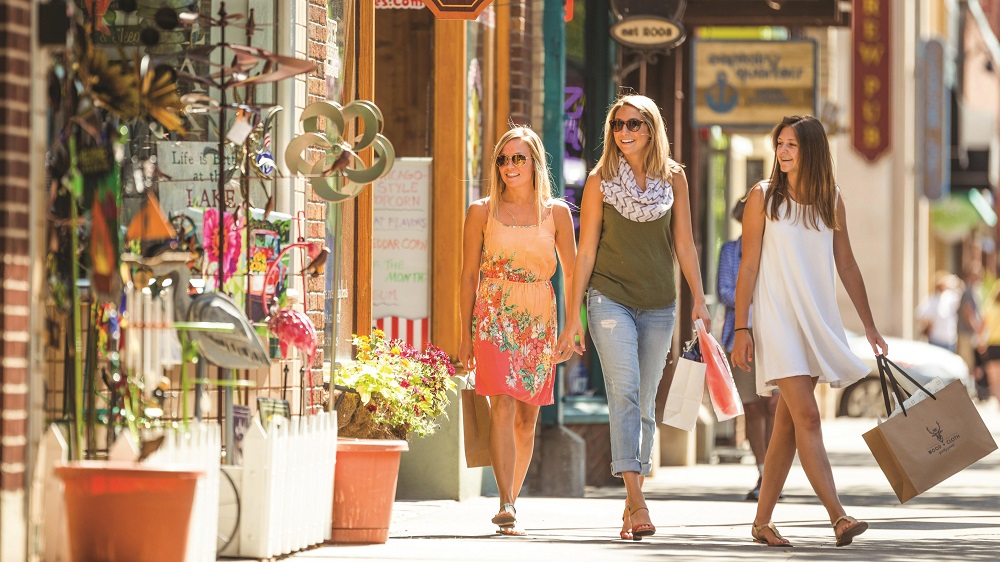
In an era dominated by global e-commerce platforms and big-box retail giants, the convenience of one-click ordering has become second nature for modern consumers. Parcels arrive on doorsteps within hours, offering an endless catalog of mass-manufactured goods at competitive prices. Yet, beneath the veneer of modern retail convenience lies a critical economic truth: the choices consumers make with their daily spending directly determine the vitality, character, and financial resilience of their local communities.
Choosing to patronize neighborhood bakeries, independent hardware stores, family-owned bookshops, and local service providers is far more than a sentimental gesture. It represents a powerful economic strategy. When dollars circulate within a local ecosystem, they produce a ripple effect that sustains public services, creates local employment, preserves architectural heritage, and fosters meaningful social connections that impersonal digital algorithms can never replicate.
The Local Economic Multiplier Effect
The primary engine behind the benefits of local shopping is a concept known in regional economics as the local multiplier effect. When a customer spends money at a national chain or an international online store, the vast majority of those funds immediately leave the municipal borders, flowing back to corporate headquarters, distant shareholders, and offshore suppliers. In contrast, spending at an independently owned enterprise initiates a continuous cycle of wealth retention.
-
Re-Circulation of Revenue: Local business owners are significantly more likely to source their operational needs from adjacent neighborhood providers. A local restaurant purchases fresh produce from regional farms, retains a neighborhood accounting firm, hires a local graphic designer for menus, and contracts an independent tradesperson for plumbing repairs.
-
Direct Community Reinvestment: Independent entrepreneurs live in the towns where they operate. Their personal expenditures, from paying residential property taxes to purchasing groceries and enrolling children in local sports leagues, ensure that profits remain embedded within the immediate tax base.
-
Supply Chain Localization: By prioritizing regional distributors and domestic artisans, independent storefronts reduce the geographic distance goods must travel, keeping commercial profits concentrated within surrounding regional networks.
Economic analyses demonstrate that approximately sixty-eight dollars out of every one hundred dollars spent at an independent merchant remains within the local economy, compared to less than forty-three dollars spent at a large national chain. This significant disparity highlights how individual purchasing decisions directly determine municipal wealth generation.
Strengthening Municipal Infrastructure and Public Services
Independent commercial districts serve as the backbone for local public funding. Towns and cities do not function on goodwill; they require steady, predictable revenue streams to maintain essential municipal operations.
Local merchants generate sales taxes, commercial property taxes, and municipal licensing fees that fund key public services:
-
Public Safety and Emergency Response: Tax revenues collected from commercial corridors directly equip local fire departments, fund emergency medical technician services, and support municipal police forces.
-
Educational System Funding: Commercial property taxes contribute substantial allocations to local public school districts, helping purchase modern classroom materials, hire skilled educators, and maintain student athletic facilities.
-
Road and Utility Maintenance: Public infrastructure, including asphalt paving, stormwater management systems, sidewalk repairs, and municipal water filtration plants, relies on local tax receipts generated by thriving commercial corridors.
-
Civic Amenities and Green Spaces: Neighborhood parks, public libraries, recreational centers, and municipal community programs thrive when local commercial activity provides steady municipal budget surpluses.
When consumer dollars drain out of an area, local governments face shrinking tax bases, often forcing administrators to cut municipal services or raise residential property taxes to cover budget deficits.
Job Creation and Inclusive Economic Mobility
Small businesses serve as the single largest aggregate employer in the domestic workforce. Supporting local merchants directly protects existing jobs while creating fresh opportunities for neighborhood residents across diverse skill levels.
-
Diverse Employment Opportunities: Independent retailers provide accessible entry points for young workers gaining initial workforce experience, specialized roles for skilled artisans, and management positions for seasoned professionals seeking careers close to home.
-
Support for Niche Talents: Local businesses provide a commercial platform for specialized trades, from master cobblers and custom woodworkers to culinary craftspeople whose skills are overlooked by mass-market production lines.
-
Encouraging Entrepreneurial Wealth Building: Small business ownership provides historically marginalized groups, first-generation immigrants, and working-class families with an accessible avenue for building multi-generational equity and financial independence.
-
Better Workplace Autonomy: Working for an independent enterprise frequently provides employees with direct access to decision-makers, offering greater scheduling flexibility, broader skill acquisition, and a stronger sense of shared purpose compared to corporate hierarchies.
By keeping employment centralized within neighborhoods, local merchants help residents earn and spend their livelihoods in the same geographic area, cutting down lengthy commute times and boosting overall quality of life.
Preserving Neighborhood Character and Cultural Identity
Beyond the financial balance sheet, independent businesses give towns, neighborhoods, and historic downtowns their distinct sense of place. A continuous row of identical big-box outlets and standardized fast-food chains homogenizes the urban landscape, making one suburb indistinguishable from another.
-
Distinct Architectural Heritage: Small businesses frequently occupy and revitalize historic brick structures, vintage storefronts, and mid-century downtown corridors, preventing urban decay and preserving historical architectural character.
-
Curated and Unique Product Selections: Unlike corporate purchasing directors who buy merchandise by the container load, independent shopkeepers select products tailored to the tastes, interests, and traditions of their specific neighborhood demographic.
-
Fostering Tourism and Visitor Spending: Vibrant, unique downtowns with walkable shopping districts, boutique coffee shops, and artisan galleries attract cultural tourists and weekend visitors, drawing outside capital into the local economy.
The charm of a thriving main street is not merely decorative; it serves as a magnetic civic asset that elevates nearby residential home values and attracts outside investment.
Environmental Sustainability and Reduced Carbon Footprints
Shopping locally provides tangible environmental benefits by fundamentally altering how goods move from producer to consumer. Modern international logistics rely on heavy packaging, intermodal freight transit, air shipping, and last-mile delivery vans that generate immense carbon emissions.
-
Compact, Walkable Shopping Corridors: Concentrated neighborhood retail districts encourage foot traffic, cycling, and short vehicle trips, reducing urban traffic congestion and tailpipe exhaust emissions.
-
Minimized Commercial Packaging: Independent grocers, bulk food markets, and local artisans rely on less protective plastic packaging, Styrofoam void fill, and cardboard boxes compared to long-distance distribution networks.
-
Support for Sustainable Agriculture: Local farm stands and regional grocers prioritize seasonal crops grown using sustainable farming practices, cutting the refrigeration and long-haul transport demands of industrial agriculture.
By condensing the physical footprint of commerce, local shopping builds sustainable consumption patterns that protect regional ecosystems and reduce municipal landfill burdens.
Fostering Social Cohesion and Civic Engagement
In an increasingly digitized world marked by social isolation, physical commercial hubs act as vital third places outside the home and the traditional office. Neighborhood storefronts create spontaneous human interactions that strengthen community social bonds.
-
Personalized Customer Care: Independent business owners build real relationships with their patrons. They recognize regular visitors, offer personalized product guidance, and take personal pride in the satisfaction of their neighbors.
-
Grassroots Philanthropic Support: Local entrepreneurs are consistently the first to sponsor neighborhood youth sports teams, contribute merchandise to school charity auctions, and organize food drives during seasonal holidays.
-
Active Civic Leadership: Independent business owners are invested in municipal well-being. They attend city council meetings, participate in zoning debates, and advocate for pedestrian safety improvements, serving as active community leaders.
These everyday face-to-face interactions build social trust, transforming anonymous geographic areas into supportive, resilient neighborhoods.
Frequently Asked Questions
How does shopping at local businesses help insulate a community during national economic downturns?
Communities with strong networks of independent businesses exhibit higher economic resilience during national recessions. Because local businesses rely on regional suppliers and maintain direct community connections, they can pivot their inventory and pricing structures more quickly than large corporate chains, while keeping capital circulating locally to sustain household incomes.
Are goods purchased at independent local stores always more expensive than items at big-box retailers?
While large national chains benefit from bulk purchasing power on mass-produced goods, independent retailers often offer superior value on durable, high-quality items that last longer, reducing long-term replacement expenses. Additionally, local merchants frequently save customers money by providing specialized expert guidance, minimizing costly purchasing mistakes.
How does shopping locally impact commercial real estate vacancy rates?
Consistent patronage of neighborhood merchants keeps commercial storefronts occupied, preventing vacant buildings and blighted corridors. Low commercial vacancy rates maintain commercial property values, discourage vandalism, and encourage adjacent property owners to invest in exterior building maintenance.
Can online purchasing still support local businesses?
Yes. Many independent merchants offer digital storefronts, local delivery services, and curbside pickup options. Purchasing through an independent store’s website rather than third-party international marketplaces ensures that profit margins remain with the local business rather than being absorbed by platform commission fees.
How do farmers markets specifically benefit suburban and urban consumers?
Farmers markets bring freshly harvested, nutrient-dense regional produce directly to urban and suburban consumers, bypassing days of industrial transit and cold storage. This dynamic provides consumers with peak-flavor produce while guaranteeing regional farmers receive full retail value for their agricultural harvest.
In what ways does a strong local retail presence affect residential property values?
Residential neighborhoods located within walking distance of vibrant commercial corridors, independent cafes, and neighborhood markets consistently command higher real estate valuations. Homebuyers actively seek out walkable communities with distinct character, safety, and accessible amenities.
What practical steps can consumers take to support small businesses beyond making direct purchases?
Consumers can support local businesses by leaving positive online reviews, engaging with and sharing store announcements on social platforms, recommending favorite merchants to neighbors through word of mouth, and participating in community-sponsored business walks and seasonal street fairs.