


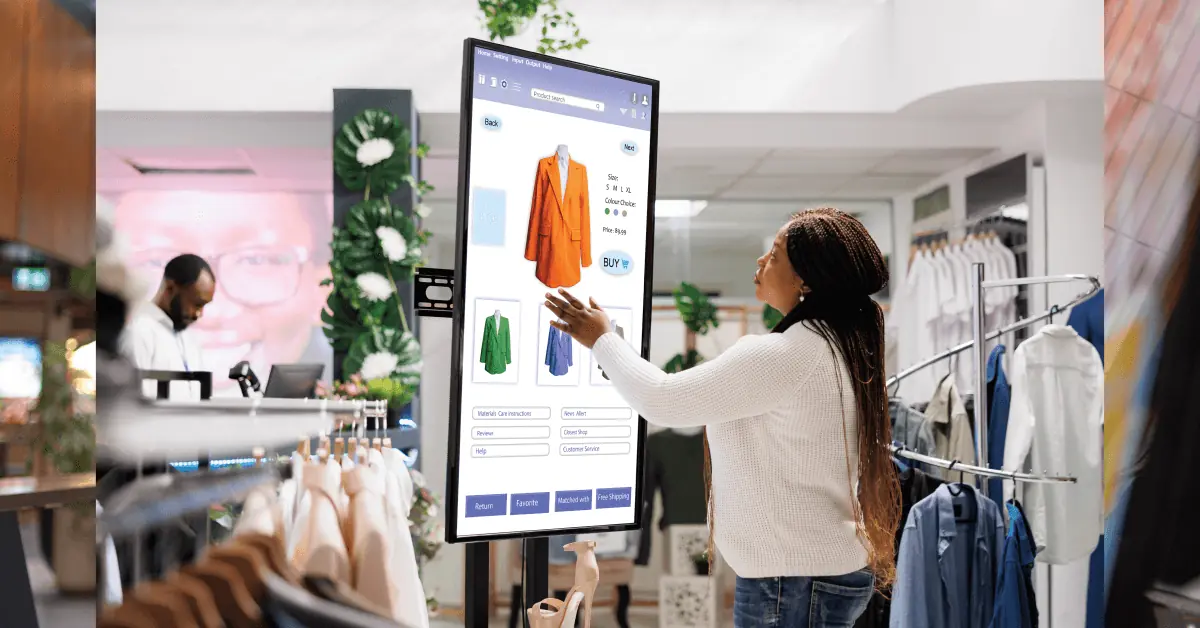
The traditional retail landscape once operated on a straightforward, one-size-fits-all model. Department stores stocked identical shelves, television commercials broadcasted the same promotions to millions of households, and catalogs presented uniform product selections to every subscriber on a mailing list. Today, that static approach is obsolete. The digital revolution, paired with sophisticated data analytics and changing consumer expectations, has triggered a massive transformation across commerce. Personalized shopping experiences have evolved from an experimental marketing tactic into an essential baseline for commercial survival.
Modern consumers no longer want to sift through irrelevant product catalogs or navigate generic store layouts. Instead, they expect brands to understand their individual preferences, anticipate their unique requirements, and deliver tailored recommendations across every touchpoint. This shift represents a fundamental restructuring of the relationship between retailers and shoppers, turning transactional exchanges into continuous, individualized customer journeys.
The Technological Drivers of Modern Personalization
The rapid evolution of personalized commerce is powered by complex digital infrastructure that processes consumer behavior in real time. Rather than relying on broad demographic assumptions, retailers now utilize granular data streams to understand buyer intent at an individual level.
-
Advanced Machine Learning Algorithms: Algorithmic systems track browsing histories, search queries, past purchases, and session durations to identify nuanced behavioral patterns. These engines instantly reconfigure website layouts and product feeds to match individual user intent.
-
Real-Time Data Processing: Modern customer data platforms aggregate interactions across mobile apps, desktop browsers, social media channels, and physical points of sale. This continuous stream allows systems to deliver tailored messaging while a consumer is actively evaluating a product.
-
Predictive Inventory Modeling: Beyond consumer-facing interactions, predictive analytics help businesses forecast which specific items an individual or local cohort will want next, optimizing localized supply chains and fulfillment speed.
-
Computer Vision and Virtual Try-Ons: Augmented reality tools scan facial structures, foot dimensions, and body proportions to recommend exact apparel sizing or cosmetic shades, removing guesswork from online purchases.
Omnichannel Continuity: Bridging the Digital and Physical Divide
Personalization is no longer confined to web browsers and mobile apps. Forward-thinking brands are actively integrating digital intelligence into physical storefronts to create an interconnected shopping environment. When a customer walks into a brick-and-mortar location, their digital footprint can enhance their in-person experience.
Interactive smart mirrors in fitting rooms can recognize selected items via radio frequency identification tags, instantly suggesting complementary accessories or allowing the shopper to request alternate sizes with a single tap. Mobile apps equipped with indoor positioning systems guide consumers through physical aisles toward products saved in their digital wish lists, offering customized discounts upon arrival.
Similarly, in-store sales associates equipped with clienteling software can view a customer’s purchase history, preferred styles, and recent digital cart abandonments. This context enables associates to provide tailored consultations that mirror the attentiveness of a private boutique, regardless of store scale.
Curated Subscriptions and Predictive Discovery
The subscription commerce model highlights how deep personalization can reshape consumer purchasing habits. Rather than forcing shoppers to make recurring manual purchases, algorithmic curation automates product discovery.
-
Bespoke Wardrobe Services: Apparel subscription platforms use detailed onboarding style profiles, ongoing stylist feedback, and purchase data to send curated boxes of clothing directly to consumers, learning from every item kept or returned.
-
Custom Formulation Products: In the beauty and wellness industries, brands formulate individualized shampoos, skin serums, and daily supplement packs based on online diagnostic quizzes, environmental factors like local water hardness, and lifestyle habits.
-
Replenishment Automation: Smart home appliances and automated retail programs monitor consumption rates of household staples, coffee beans, or pet food, automatically placing delivery orders right before the household runs out.
This level of convenience eliminates decision fatigue, turning routine product replenishment into a seamless background utility while deepening brand loyalty.
The Psychological Impact of Tailored Commerce
Personalized shopping succeeds because it aligns directly with fundamental human psychology. Consumers are bombarded with hundreds of advertisements and product options daily, leading to cognitive overload. When an interface filters out irrelevant noise and presents only relevant choices, it reduces friction and creates a sense of effortless discovery.
Furthermore, tailored interactions foster emotional resonance. When a brand remembers a customer’s size preferences, honors their dietary restrictions, or acknowledges their style history, the customer feels recognized and valued as an individual rather than an anonymous revenue source. This psychological validation builds trust, shortens the consideration phase of the sales cycle, and significantly reduces post-purchase regret.
Data Privacy, Consent, and the Trust Equation
The foundation of modern personalization is consumer data, which introduces important operational and ethical responsibilities for retailers. Today’s consumers are increasingly protective of their personal information and demand complete transparency regarding data collection practices.
-
Zero-Party and First-Party Data Acquisition: As third-party internet cookies phase out, brands are shifting toward zero-party data, which is information that consumers voluntarily share through quizzes, interactive surveys, and profile preferences in exchange for tangible value.
-
Transparent Value Exchanges: Shoppers are generally willing to share personal preferences if they receive immediate, clear benefits, such as accurate sizing recommendations, exclusive pricing, or curated product selections.
-
Stringent Data Governance: Retailers must maintain rigorous security protocols to protect sensitive consumer records from breaches, while adhering strictly to global data protection and privacy regulations.
The line between helpful personalization and intrusive surveillance is delicate. Retailers that respect privacy boundaries, maintain transparent policies, and prioritize genuine utility build lasting consumer trust, while those that overstep risk alienating their audience entirely.
The Economic Value for Retailers
Investing in personalization infrastructure yields significant economic returns for businesses across diverse retail sectors. Delivering relevant experiences directly improves core commercial metrics:
-
Higher Conversion Rates: Tailored landing pages and relevant product suggestions reduce friction in the buying journey, significantly increasing the likelihood of purchase completion.
-
Increased Average Order Value: Intelligent cross-selling and upselling engines suggest items that genuinely complement the shopper’s current selection, encouraging higher cart values.
-
Decreased Return Rates: Accurate sizing algorithms, virtual try-ons, and detailed diagnostic tools help consumers choose the right product the first time, substantially lowering return logistics costs.
-
Enhanced Customer Lifetime Value: Shoppers who experience consistent, frictionless personalization are far more likely to become repeat buyers, lowering overall customer acquisition expenses over time.
Frequently Asked Questions
How does personalized shopping differ from traditional behavioral targeting?
Behavioral targeting typically involves broad segmentation, such as displaying generic shoe advertisements to anyone who visited a footwear website. Personalized shopping operates on an individual level, tailoring the actual interface, specific product recommendations, sizing guidance, and pricing structures in real time based on a deep understanding of unique user preferences.
What role does generative artificial intelligence play in shopping personalization?
Generative artificial intelligence powers conversational shopping assistants that interpret complex, natural language requests, such as asking for a complete travel outfit for a specific climate. It also dynamically generates custom product descriptions, marketing copy, and visual imagery tailored to individual aesthetic preferences.
How do smaller independent retailers implement personalization without massive corporate budgets?
Independent retailers leverage scalable software-as-a-service platforms, integrated e-commerce plugins, and turn-key email marketing tools that feature built-in recommendation algorithms. These cloud-based solutions allow small businesses to provide dynamic product suggestions and segment audiences effectively without custom software development.
Can over-personalization negatively impact a shopper’s discovery process?
Yes, excessive personalization can create a filter bubble where consumers are only shown products identical to their previous purchases, preventing them from discovering new styles or categories. Effective personalization engines deliberately balance predictable recommendations with exploratory suggestions to maintain novelty.
How do retailers handle personalization for shared household accounts or devices?
Advanced systems identify distinct user profiles within a single household account by analyzing sudden shifts in browsing velocity, category interest, and sizing selections. Many platforms also offer explicit profile switching, similar to streaming platforms, allowing family members to maintain separate preference records.
What is the environmental impact of personalized retail?
Personalization can reduce retail waste by improving production forecasting and lowering product return rates, which cuts down on excess shipping emissions and packaging waste. However, rapid on-demand fulfillment for individually curated items can increase parcel delivery frequency if not consolidated properly.
How do luxury brands balance personalization with exclusive, high-end customer service?
Luxury brands use personalization tools as an invisible backend assistant for human sales advisors rather than replacing human interaction entirely. Digital clienteling platforms provide sales professionals with real-time insights into client tastes, past purchases, and milestone dates, allowing them to deliver bespoke, high-touch personal shopping services.