


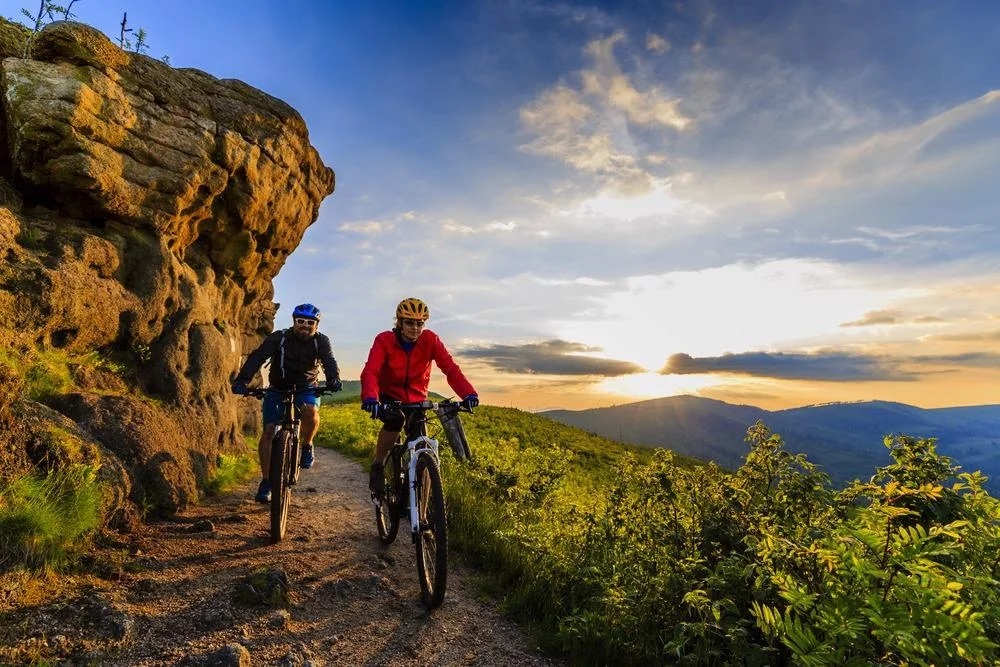
Modern daily routines keep most people indoors for upwards of ninety percent of their lives. Between desk-bound jobs, climate-controlled living spaces, and endless hours spent staring at digital screens, the disconnection from the natural world is greater now than at any point in human history. This indoor shift carries measurable physical and mental consequences, including elevated stress markers, disrupted sleep cycles, and higher rates of metabolic disorders. Reconnecting with outdoor environments offers a straightforward, accessible countermeasure. Immersing oneself in nature triggers a cascade of biological responses that reduce systemic inflammation, optimize immune performance, and recalibrate cognitive focus.
Cardiovascular Health and Blood Pressure Regulation
Spending regular time in natural environments directly influences the autonomic nervous system. When individuals transition from noisy, high-density urban settings to green spaces, the sympathetic nervous system, responsible for the fight-or-flight response, dials down. Simultaneously, the parasympathetic nervous system engages, slowing the resting heart rate and relaxing arterial walls.
Clinical evaluations show that activities as simple as walking through a park lower systolic and diastolic blood pressure far more effectively than identical exercise performed on an indoor treadmill. This reduction in vascular resistance is partly driven by volatile organic compounds released by trees and plants, known as phytoncides. Inhaling these organic compounds helps dilate blood vessels, which lowers cardiac workload and improves long-term cardiovascular resilience.
Immune System Enhancement and Natural Killer Cells
The biological impacts of nature exposure extend deep into the human immune architecture. Immersion in forest environments substantially increases both the count and the activity of natural killer cells. Natural killer cells are specialized white blood cells that identify and destroy virally infected cells and early-stage tumor cells.
-
Phytoncide Absorption: Inhaling airborne plant chemicals stimulates the body to produce intracellular anti-cancer proteins, including perforin, granzymes, and granulysin.
-
Sustained Cellular Activity: The elevation in natural killer cell activity is not merely a temporary spike during the outdoor session; elevated functional levels often persist for up to thirty days following a multi-day nature immersion.
-
Microbial Diversity: Soil and plant matter contain thousands of beneficial, non-pathogenic bacterial strains. Exposure to this environmental microbiome trains the human immune system to differentiate between genuine pathogens and harmless allergens, curbing chronic autoimmune reactions.
Cortisol Reduction and Mental Well-Being
Chronic psychological stress floods the bloodstream with cortisol, a hormone that, in excess, impairs digestion, disrupts metabolic function, and erodes cognitive clarity. Natural environments provide a psychological mechanism known as soft fascination. Unlike the harsh, demanding stimuli of highway traffic or computer notifications, natural phenomena such as moving leaves, flowing water, or shifting sunlight capture attention effortlessly, allowing the prefrontal cortex to rest.
Controlled field studies demonstrate that as little as twenty minutes spent sitting or walking in a natural setting produces a marked drop in salivary cortisol levels. This biochemical shift translates into measurable reductions in self-reported anxiety, reduced rumination, and lower risks of developing clinical depressive symptoms over time.
Cognitive Restoration and Focus
Urban life demands directed attention, a finite mental resource required to filter out background noise, process text, and manage complex tasks. When directed attention is depleted, cognitive fatigue sets in, leading to irritability, higher error rates, and mental burnout.
-
Attention Restoration: Interacting with nature restores executive functioning, leading to higher scores on short-term memory assessments and creative problem-solving tests.
-
Reduced Digital Fatigue: Stepping away from artificial blue light and fast-paced digital feeds allows neural pathways associated with default mode network processing to engage, fostering deeper introspection and creative synthesis.
-
Visual Recovery: Focusing on distant horizons and varied natural textures relieves the optical strain caused by prolonged near-point screen focus, easing headaches and ocular fatigue.
Sleep Optimization and Circadian Rhythms
The human internal clock relies entirely on environmental cues to regulate the sleep-wake cycle. The primary regulator is natural sunlight, which delivers a specific spectrum and intensity of lux that indoor lighting cannot replicate. Standard interior lighting rarely exceeds five hundred lux, whereas an overcast outdoor day provides upwards of ten thousand lux, and bright sunshine delivers over one hundred thousand lux.
Morning outdoor exposure suppresses the daytime production of melatonin while triggering healthy cortisol spikes that promote alertness. This clear daytime signal anchors the circadian rhythm, prompting robust natural melatonin production twelve to fourteen hours later. Consequently, individuals who spend consistent daytime hours outside fall asleep faster, spend more time in restorative slow-wave sleep, and wake up feeling more refreshed.
Physical Activity and Caloric Expenditure
Outdoor environments naturally promote variable, functional movement patterns that indoor fitness machines cannot simulate. Uneven terrain, varying elevations, wind resistance, and shifting surfaces like sand, gravel, or dirt activate stabilizer muscles across the ankles, knees, and core.
-
Dynamic Muscular Engagement: Walking on natural trails demands continuous, micro-adjustments in foot strike and balance, improving proprioception and joint stability.
-
Lower Perceived Exertion: Exercising in green spaces, often called green exercise, lowers the perceived rate of physical exertion. Individuals routinely walk faster, travel farther, and burn more calories outdoors without feeling as fatigued as they do during equivalent indoor workouts.
-
Functional Mobility: Natural environments encourage varied movement patterns including stepping over obstacles, ducking under branches, and climbing gradients, preserving mobility and functional independence as the body ages.
Metabolic Balance and Vitamin D Synthesis
Ultraviolet B radiation from moderate sun exposure reacts with 7-dehydrocholesterol in the skin to produce vitamin D3, an essential secosteroid hormone vital for systemic health. Adequate vitamin D levels are necessary for calcium absorption, bone density preservation, neuromuscular function, and insulin regulation.
Beyond vitamin D synthesis, sun exposure triggers the release of nitric oxide into the bloodstream, which aids metabolic efficiency and cellular oxygenation. Maintaining healthy levels of outdoor exposure directly supports glucose metabolism, helping buffer against insulin resistance and metabolic syndrome.
Social Cohesion and Community Health
Green spaces serve as foundational social infrastructure in residential communities. Access to functional parks, community gardens, and trail systems correlates strongly with higher levels of physical activity among all age groups and stronger neighborhood social ties.
Interacting with neighbors in outdoor settings reduces feelings of isolation and loneliness. Furthermore, children raised with routine access to outdoor play areas demonstrate better spatial awareness, stronger cooperative social skills, and higher levels of self-directed resilience compared to peers restricted to indoor environments.
Frequently Asked Questions
How does outdoor exposure impact eye health in developing children?
Regular outdoor time significantly lowers the risk of developing myopia, or nearsightedness, in children. Natural daylight stimulates dopamine release in the retina, which prevents the eyeball from elongating excessively during critical growth phases, while also giving the eyes practice focusing at varying long-range distances.
Are the health benefits of nature similar in colder or overcast climates?
Cold and overcast conditions still provide the full range of immune-boosting phytoncides, circadian-regulating lux levels, and stress-reducing auditory stimuli. While ultraviolet B absorption decreases on cloudy days, the physiological benefits of fresh air, natural light exposure, and physical movement remain potent regardless of temperature.
Can exposure to natural water environments provide unique benefits compared to green spaces?
Blue spaces, which encompass oceans, lakes, and rivers, provide distinct therapeutic effects. The sound of moving water produces rhythmic white noise that promotes alpha brainwave patterns associated with relaxed alertness, while breaking waves and moving water generate negative air ions that can enhance mood and oxygen absorption.
What is the minimum weekly outdoor threshold required to see measurable health improvements?
Research indicates that spending a cumulative total of at least one hundred and twenty minutes per week in nature acts as the baseline threshold for substantial health gains. This time can be broken down into daily twenty-minute sessions or achieved through a single two-hour weekend outing.
How does outdoor air quality compare to indoor air in terms of respiratory health?
Indoor environments frequently trap volatile organic compounds, synthetic off-gassing from furniture, pet dander, and mold spores, causing indoor air to be up to five times more polluted than outdoor air. Spending time in well-vegetated outdoor areas introduces the respiratory system to filtered, cleaner air with higher oxygen concentrations.
Does simply viewing nature through a window provide the same biological benefits as being outside?
Visual access to nature through a window can help lower heart rates and restore mental focus compared to looking at bare walls. However, it lacks the multi-sensory benefits of inhaling volatile plant compounds, receiving direct sunlight for circadian entrainment, absorbing soil microbes, and moving across varied physical terrain.
How do soundscapes in nature influence the nervous system differently than artificial silence?
Artificial silence often leaves individuals hyper-aware of internal stressors or abrupt unexpected noises. Natural soundscapes, consisting of wind, birdsong, and rustling foliage, provide non-threatening broadband acoustic patterns that signal safety to the brainstem, accelerating physical and mental recovery from acute stress.