


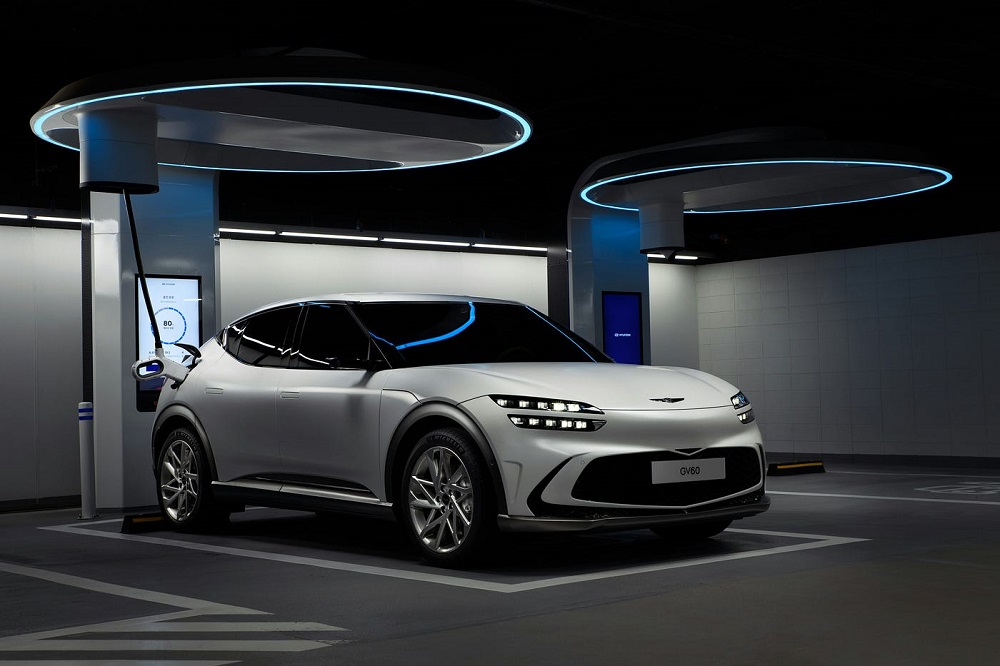
The global transition toward electric vehicles marks the most comprehensive transformation of transportation since the transition from horse-drawn carriages to internal combustion engines. For more than a century, fossil-fuel propulsion shaped city layouts, highway corridors, corporate supply chains, and global geopolitics. Today, the rise of electric propulsion is dismantling those historical assumptions.
Electric mobility is not merely a substitution of a gas tank with a lithium-ion battery. It represents a fundamental restructuring of vehicle architecture, national energy grids, urban infrastructure, and automotive manufacturing. As battery chemistry improves, charging networks mature, and software platforms integrate with powertrains, electric cars are redefining how people move, how cities manage energy, and how global industries allocate capital.
Evolution of Battery Chemistry and Range Capability
At the heart of the electric vehicle revolution is the rapid maturation of electrochemical energy storage. Early modern electric cars were constrained by limited range and slow charge acceptance rates, but continuous breakthroughs in cell design and pack architecture have resolved the primary barriers to consumer adoption.
-
Diversified Chemical Formulations: Automakers have moved away from one-size-fits-all battery strategies. Lithium Iron Phosphate (LFP) chemistry has gained widespread adoption for standard-range and commercial vehicles due to its lower manufacturing costs, high thermal stability, and remarkable cycle longevity. For long-range and high-performance applications, Nickel Manganese Cobalt (NMC) and Nickel Cobalt Aluminum (NCA) chemistries continue to deliver high volumetric and gravimetric energy density.
-
Solid-State and Sodium-Ion Development: Emerging battery designs, including sodium-ion cells for cost-sensitive urban vehicles and all-solid-state electrolytes for next-generation platforms, promise higher safety profiles, broader operating temperature windows, and faster charging capabilities without reliant critical raw materials.
-
High-Voltage Powertrain Architectures: The transition from 400-volt to 800-volt and 900-volt electrical platforms allows modern electric vehicles to accept peak charging currents with reduced heat generation. This engineering shift shortens typical road-trip charging stops to under twenty minutes while allowing for thinner, lighter wiring harnesses throughout the chassis.
Overhauling Public and Residential Charging Infrastructure
Widespread electric vehicle adoption depends on accessible, reliable charging infrastructure. The traditional paradigm of visiting a centralized retail gas station is shifting toward distributed charging integrated into residential spaces, workplaces, and retail destinations.
-
Unified Connector Standards: The broad industry consolidation around standard interfaces, such as the North American Charging Standard (NACS), has eliminated proprietary friction, allowing drivers of diverse automotive brands to access unified DC fast-charging corridors.
-
Residential and Workplace Charging: The vast majority of daily vehicle recharging occurs while cars are parked overnight at residences or during the day at employment centers. Level 2 alternating current chargers provide predictable, low-cost replenishment, reducing dependence on high-output public corridors for daily commuting.
-
Urban and Multi-Family Housing Solutions: Metropolitan areas are retrofitting public curbsides, utility poles, and shared parking garages with integrated charging hardware, ensuring that apartment dwellers and street parkers have equitable access to convenient power sources without specialized private garage access.
The Convergence of Electrification and Software Architecture
Electric cars operate fundamentally as rolling digital devices. The mechanical simplicity of an electric powertrain enables unified vehicle software architectures that would be prohibitively complex to integrate into traditional mechanical internal combustion platforms.
-
Software-Defined Vehicle (SDV) Frameworks: Modern electric cars replace dozens of disparate, isolated electronic control units with a handful of centralized computing nodes. This streamlined design allows manufacturers to optimize battery performance, powertrain response, and cabin ergonomics via over-the-air firmware updates throughout the vehicle lifespan.
-
Drive-by-Wire and Autonomous Integration: Electric motors deliver instantaneous torque and regenerative braking with millisecond response times. This rapid electronic control makes electric chassis the preferred platform for advanced driver-assistance systems and future autonomous transit fleets, which require high-precision actuator control.
-
Predictive Fleet and Asset Management: Commercial fleet managers can monitor real-time state of health, cell degradation, thermal variations, and energy consumption metrics across thousands of active vehicles simultaneously, enabling precision preventive maintenance schedules that minimize downtime.
Grid Modernization and Vehicle-to-Everything Ecosystems
Rather than presenting an unsustainable burden on electrical utilities, electric vehicles are emerging as dynamic, distributed energy assets that enhance grid stability and facilitate renewable energy integration.
-
Bidirectional Power Flow (V2G and V2H): Vehicle-to-Grid and Vehicle-to-Home technologies transform electric cars into decentralized energy storage systems. During peak grid demand or localized blackouts, parked vehicles can discharge stored battery power back to individual homes or the electrical grid, earning revenue for vehicle owners and preventing power outages.
-
Dynamic Load Balancing: Intelligent charging algorithms sync charging schedules with off-peak hours and periods of surplus renewable generation, such as midday solar peaks or overnight wind surges. This dampens demand spikes and lowers the marginal cost of electricity for all consumers.
-
Microgrid Support and Commercial Applications: High-capacity electric transit buses and commercial delivery fleets act as mobile energy reservoirs capable of supporting municipal microgrids and commercial distribution centers during emergency operations.
Economic Restructuring Across the Automotive Value Chain
The mechanical simplicity of electric powertrains is altering the economic landscape for automotive manufacturers, dealership networks, independent repair facilities, and aftermarket suppliers.
-
Reduced Mechanical Complexity: An electric propulsion system contains a fraction of the moving parts found in a conventional internal combustion engine and transmission assembly. The absence of spark plugs, timing belts, exhaust systems, catalytic converters, and complex multispeed gearboxes significantly reduces routine mechanical points of failure.
-
Total Cost of Ownership Parity: While upfront purchase prices for electric cars historically carried a premium, lower per-mile fueling expenses and reduced long-term maintenance costs allow commercial fleets and high-mileage drivers to achieve total cost of ownership parity rapidly compared to equivalent gasoline models.
-
Supply Chain and Manufacturing Transformation: The shift requires monumental capital reallocation. Legacy engine foundries and transmission plants are converting into automated battery pack assembly lines, cathode manufacturing facilities, and electric drive unit fabrication centers.
Environmental Lifecycle and Closed-Loop Recycling
Evaluating the environmental impact of electric vehicles requires looking beyond tailpipe emissions to examine the full cradle-to-grave lifecycle, from raw material extraction to end-of-life battery reclamation.
-
Lifecycle Emissions Superiority: Comprehensive life-cycle assessments demonstrate that even when charged on electrical grids with high fossil fuel reliance, electric vehicles generate substantially fewer net lifetime greenhouse gas emissions than comparable gasoline or diesel vehicles due to superior powertrain energy efficiency.
-
Hydrometallurgical Battery Recycling: Advanced closed-loop recycling processes recover over ninety-five percent of critical materials—including lithium, nickel, cobalt, and copper—from degraded battery packs. These reclaimed materials are refined back into battery-grade precursors, reducing reliance on virgin mineral extraction.
-
Second-Life Energy Storage: Batteries that have degraded below the power and energy density thresholds required for automotive acceleration typically retain seventy to eighty percent of their original capacity. These packs are repurposed for stationary energy storage systems, supporting utility solar installations and commercial facilities for another decade before entering material recycling streams.
Frequently Asked Questions
How do extreme sub-zero winter temperatures affect electric vehicle efficiency and battery health?
Sub-zero temperatures temporarily reduce electric vehicle range primarily because lithium-ion chemical reactions slow down, increasing internal resistance, and because cabin heating draws power directly from the high-voltage battery rather than using waste engine heat. Modern electric cars mitigate this loss through integrated heat pumps and automated battery preconditioning, which warms the battery pack while the vehicle is still plugged into a charging station. Cold weather does not permanently damage battery health when thermal management systems operate properly.
What are second-life battery applications once an EV battery pack degrades below 70 percent capacity?
When an automotive battery pack degrades to the point where it no longer satisfies vehicle range and acceleration requirements, it can be repurposed for stationary energy storage. In these secondary roles, weight and energy density constraints are irrelevant. Second-life packs are clustered together to store energy for commercial solar farms, provide backup power for hospitals and data centers, or balance load demands at remote industrial sites.
How does the weight differential of electric vehicles impact roadway wear and tire particulate emissions?
Electric vehicles generally weigh more than their internal combustion counterparts due to the mass of high-capacity battery packs. This increased weight and instant motor torque can accelerate tire wear if drivers accelerate aggressively, leading to higher tire particulate shedding. Tire manufacturers have responded by engineering specialized tire compounds with reinforced sidewalls, lower rolling resistance, and enhanced abrasion resistance designed specifically to manage the mass and torque profiles of electric cars.
Can national electrical grids handle mass EV adoption without requiring brownouts?
National electrical grids can accommodate the projected influx of electric vehicles provided charging occurs strategically. Because electric cars spend the majority of their operational lives parked, utility operators utilize time-of-use pricing and smart charging controls to shift charging sessions to overnight hours when overall electrical demand is at its lowest. Gradual grid capacity expansions, paired with renewable additions and local battery storage, ensure sufficient generation capacity over long-term adoption timelines.
How does the maintenance schedule of an electric vehicle differ from an internal combustion engine vehicle over a ten-year lifespan?
An electric vehicle eliminates recurring maintenance items such as oil changes, fuel filter replacements, spark plug renewals, timing belt servicing, and exhaust system repairs. Routine service for electric cars primarily focuses on cabin air filter replacements, brake fluid testing, coolant loop inspections for the thermal management system, suspension checks, and tire rotations. Because regenerative braking absorbs the majority of deceleration energy, mechanical brake pads and rotors on electric vehicles frequently last two to three times longer than those on conventional automobiles.
What safety mechanisms prevent thermal runaway in modern electric vehicle battery packs during high-impact collisions?
Modern electric vehicle battery packs are housed inside high-strength structural enclosures made of extruded aluminum or ultra-high-strength steel that resist physical intrusion during a crash. The packs contain active pyrotechnic safety fuses that instantly disconnect high-voltage electrical circuits upon airbag deployment. Within the pack, individual cells are isolated by fireproof barriers, phase-change materials, and dedicated liquid cooling channels designed to absorb heat and vent gases safely, preventing thermal runaway from propagating between adjacent cells.
How do insurance premiums for electric cars currently compare to standard gasoline vehicles?
Insurance premiums for electric vehicles are often slightly higher than those for comparable gasoline vehicles. This difference is primarily driven by the specialized diagnostic equipment, certified technician labor rates, and proprietary structural components required to repair damaged battery enclosures and aluminum chassis after an accident. As independent repair shops gain broader certification, aftermarket replacement parts proliferate, and modular battery repairs become standard, the insurance cost disparity continues to narrow.