


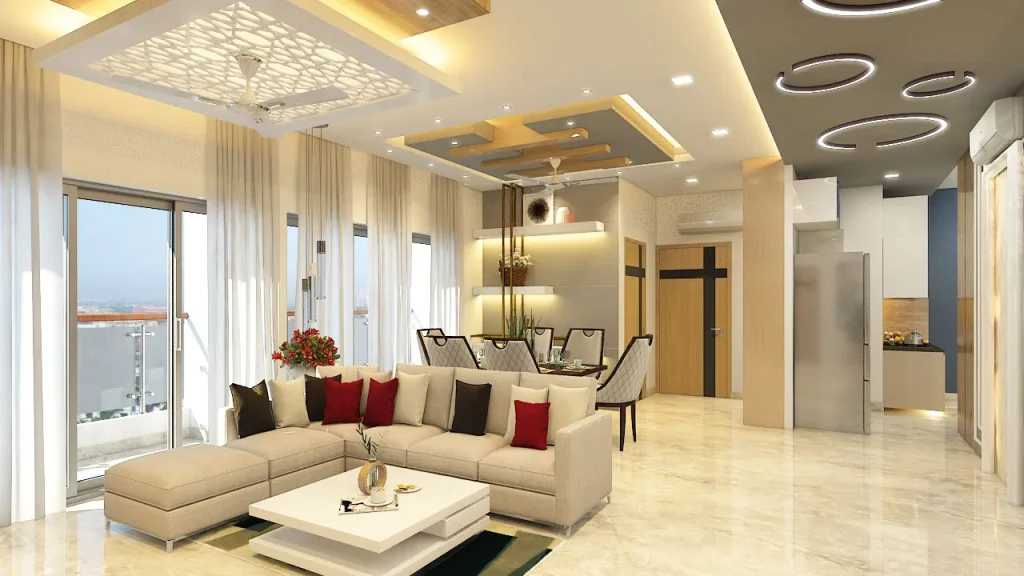
A home is more than just a physical structure; it is a sanctuary, a reflection of personal taste, and a place for comfort and security. Maintaining a home involves careful planning, thoughtful design, regular upkeep, and organization to ensure it remains functional, stylish, and welcoming. From interior décor to energy efficiency, each aspect plays a vital role in creating a living space that meets both aesthetic and practical needs.
Importance of a Well-Designed Home
A well-designed home contributes to physical and mental wellbeing. The environment we live in influences mood, productivity, and lifestyle. Key benefits of a thoughtfully designed home include:
- Enhanced Comfort – Efficient layouts, ergonomic furniture, and cozy spaces improve daily living.
- Increased Functionality – Smart storage solutions and organized spaces make routines easier and reduce clutter.
- Energy Efficiency – Proper insulation, lighting, and appliances can lower utility costs and environmental impact.
- Aesthetic Appeal – Design elements like color schemes, textures, and furnishings create a visually pleasing environment.
Home Design Principles
Designing a home involves balancing aesthetics, functionality, and personal preferences. Key principles include:
1. Space Planning
- Analyze how each room will be used and allocate space accordingly.
- Open floor plans can create a sense of spaciousness, while defined zones improve functionality.
- Consider traffic flow, furniture placement, and accessibility.
2. Color and Lighting
- Color Psychology – Colors influence mood. Warm tones create coziness, while cool shades evoke calmness.
- Natural Light – Maximizing sunlight improves mood and reduces energy consumption.
- Artificial Lighting – Layered lighting with ambient, task, and accent lights enhances both functionality and aesthetics.
3. Furniture and Décor
- Choose furniture that complements room size and style. Modular and multifunctional furniture is ideal for smaller spaces.
- Incorporate décor elements like rugs, cushions, artwork, and plants to create personality and warmth.
- Prioritize durability and comfort alongside style.
4. Functional Zones
- Living Areas – Comfortable seating, entertainment, and open spaces for social interaction.
- Kitchens – Efficient layouts, storage solutions, and modern appliances improve usability.
- Bedrooms – Focus on comfort, relaxation, and optimal storage.
- Bathrooms – Ensure proper ventilation, lighting, and hygienic design.
Home Organization and Storage Solutions
Organization is key to a clutter-free, functional home. Effective storage solutions make spaces more livable and visually appealing:
- Built-in Storage – Shelving, cabinets, and closets optimized for room dimensions.
- Multipurpose Furniture – Beds with drawers, ottomans with storage, and foldable tables save space.
- Decluttering Strategies – Regularly review belongings and donate or recycle unused items.
- Labeling and Categorization – Organize items by type or frequency of use to simplify access.
Home Maintenance and Upkeep
Maintaining a home is crucial to preserve its value, functionality, and aesthetics. Key maintenance tasks include:
1. Structural Maintenance
- Inspect roofs, walls, and foundations for damage or leaks.
- Address cracks, dampness, or pest issues promptly to prevent long-term damage.
2. Plumbing and Electrical Systems
- Regularly check pipes, faucets, and drainage systems to prevent leaks and blockages.
- Ensure electrical wiring is safe and functional. Consider energy-efficient appliances to reduce costs.
3. Cleaning and Sanitation
- Establish a routine cleaning schedule for different areas of the home.
- Use environmentally friendly cleaning products to maintain a healthy indoor environment.
- Regularly sanitize high-touch surfaces to prevent infections.
4. Outdoor Spaces
- Maintain lawns, gardens, and patios for aesthetic appeal and recreational use.
- Inspect outdoor lighting, fences, and walkways for safety and functionality.
Smart Home Technology
Integrating smart technology enhances convenience, security, and energy efficiency:
- Home Automation – Control lighting, heating, and appliances remotely through smart devices.
- Security Systems – Cameras, alarms, and smart locks increase safety.
- Energy Management – Smart thermostats, solar panels, and energy-efficient appliances reduce utility costs.
- Voice-Activated Devices – Assist with daily tasks, entertainment, and communication.
Sustainable Living at Home
Sustainability practices reduce environmental impact and improve health:
- Energy Efficiency – LED lighting, efficient appliances, and proper insulation save energy.
- Water Conservation – Low-flow faucets, rainwater harvesting, and leak monitoring reduce water consumption.
- Recycling and Waste Management – Segregate waste, compost organic materials, and recycle plastics and metals.
- Indoor Plants – Improve air quality and create a natural, calming environment.
Creating a Comfortable and Inviting Atmosphere
Comfort and warmth are central to a happy home. Tips to enhance the home environment include:
- Use soft furnishings like rugs, cushions, and throws to create cozy spaces.
- Maintain indoor air quality with proper ventilation, air purifiers, and plants.
- Incorporate personal touches such as photos, artwork, and collectibles.
- Ensure temperature control and lighting are adaptable to different times of day and seasons.
Frequently Asked Questions (FAQs)
1. How can I make a small home feel more spacious?
Use light colors, mirrors, multifunctional furniture, and open layouts to create a sense of space.
2. What are the essential maintenance tasks for every home?
Regular roof inspection, plumbing checks, electrical system maintenance, cleaning, and pest control are essential.
3. How can I make my home energy-efficient?
Use LED lighting, energy-efficient appliances, smart thermostats, and proper insulation to save energy.
4. What is the best way to organize a cluttered home?
Implement storage solutions, declutter regularly, use multifunctional furniture, and categorize items.
5. How can smart technology improve my home?
Smart technology offers convenience, safety, and energy efficiency through automation, security systems, and remote monitoring.
6. What are some sustainable practices I can adopt at home?
Conserve water, recycle waste, use energy-efficient appliances, and incorporate indoor plants for improved air quality.
7. How can I make my home more comfortable and inviting?
Focus on cozy furnishings, personalized décor, proper lighting, good ventilation, and functional layouts.
A well-designed, maintained, and organized home is essential for comfort, functionality, and mental wellbeing. By combining thoughtful design principles, efficient organization, regular maintenance, smart technology, and sustainable practices, a home can become a true sanctuary for living, working, and relaxing.