


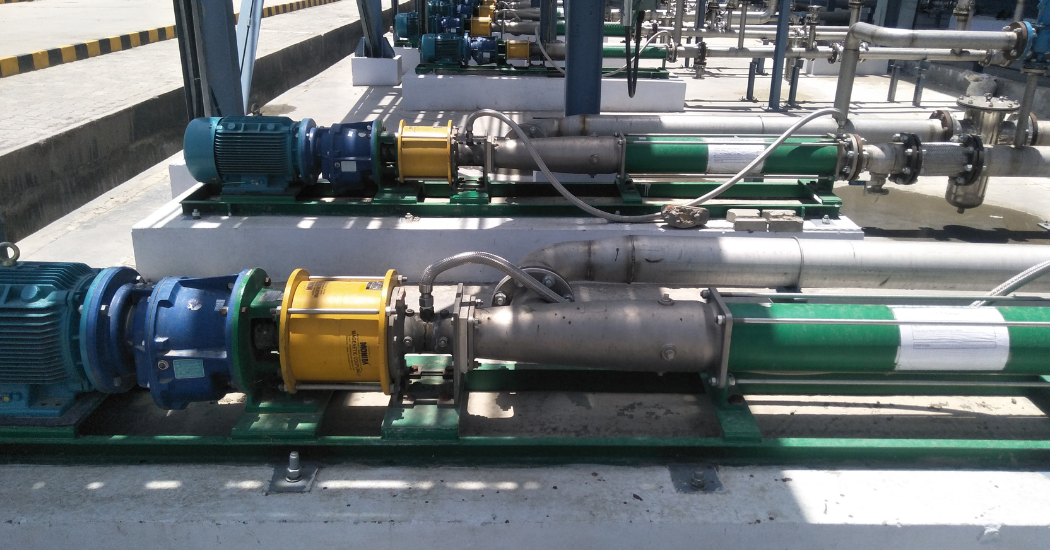
Progressing cavity pumps are a vital component in many industrial and fluid handling applications. Known for their reliability and versatility, these pumps are widely used across sectors such as wastewater management, oil and gas, chemical processing, and food production. Understanding how a progressing cavity pump, often referred to as a PC pump, operates can help engineers, technicians, and industry professionals make informed decisions when selecting and maintaining pumping solutions.
Understanding the Basics of Progressing Cavity Pumps
At its core, a progressing cavity pump is a positive displacement pump. Unlike centrifugal pumps, which rely on velocity to move fluid, PC pumps move a fixed volume of fluid with each rotation. This design allows for consistent flow rates regardless of the system pressure, making them ideal for applications that require precise fluid handling.
The primary components of a progressing cavity pump include the rotor, stator, and drive shaft. The rotor is typically helical and metallic, while the stator is made of an elastomer material with a complementary helical cavity. As the rotor turns inside the stator, cavities are formed between the two components. These cavities trap fluid and move it from the pump’s suction side to the discharge side in a continuous, smooth motion.
How Progressing Cavity Pumps Work
The working principle of a PC pump is simple yet elegant. The rotor rotates eccentrically within the stator, creating a series of sealed cavities. As each cavity progresses along the length of the pump, it carries a constant volume of fluid. This movement results in a steady and pulsation-free flow, which is a significant advantage in many industrial processes.
One of the key aspects of a progressing cavity pump is its ability to handle fluids with varying viscosities, from thin liquids to thick slurries. The design ensures that shear-sensitive materials are transported gently, reducing the risk of degradation. Additionally, PC pumps can manage fluids containing solids without clogging, making them highly versatile for industries such as wastewater treatment and food processing.
Advantages of Using PC Pumps
Progressing cavity pumps offer several benefits over other types of pumps:
- Consistent Flow Rate – The positive displacement mechanism ensures a steady and predictable flow, regardless of pressure changes in the system.
- Handling of Viscous Fluids – PC pumps can efficiently move thick fluids that may be challenging for centrifugal pumps.
- Solids Handling – The pump can transport fluids containing suspended solids without significant wear or risk of clogging.
- Low Shear Pumping – Sensitive fluids, such as emulsions or slurries, are pumped gently, preserving their properties.
- Reversible Operation – Many progressing cavity pumps can operate in reverse, providing additional flexibility in certain industrial processes.
These features make PC pumps a preferred choice for applications ranging from chemical dosing to transferring abrasive slurries in mining operations.
Key Components That Drive Functionality
To fully appreciate the working principle, it is important to understand the role of the pump’s components:
- Rotor – The metallic, helical rotor rotates eccentrically and forms cavities with the stator to move fluid.
- Stator – The elastomer stator contains a helical cavity that matches the rotor’s shape, ensuring proper sealing and consistent fluid movement.
- Drive Shaft – The rotor is connected to a drive shaft, which transmits torque from the motor to the pump.
- Seals and Bearings – These components support the rotor and maintain pressure integrity, contributing to pump longevity.
The interaction between the rotor and stator is critical. As the rotor moves, it forms cavities that expand at the suction side to draw fluid in and contract at the discharge side to push the fluid out. This progression of cavities is what gives the pump its name and ensures smooth and continuous operation.
Applications Across Industries
Progressing cavity pumps are versatile and can be tailored to various industrial needs. Some common applications include:
- Wastewater Treatment – PC pumps efficiently handle sludge and slurry, enabling smooth transport and dosing operations.
- Oil and Gas – These pumps are used for transferring crude oil, drilling fluids, and other viscous hydrocarbons.
- Food Processing – They handle delicate food products such as sauces, pastes, and dairy fluids without damaging the material.
- Chemical Processing – PC pumps are ideal for precise dosing and transfer of chemicals with varying viscosities and particulate content.
In each case, the ability of a PC pump to provide consistent flow while handling challenging fluids makes it an invaluable tool for industrial operations.
Maintenance and Efficiency Considerations
Maintaining a progressing cavity pump is straightforward but critical for optimal performance. Regular inspection of the rotor and stator is necessary to detect wear, which can affect efficiency. Monitoring seals and bearings ensures that the pump operates without leaks or excessive vibration.
Efficiency can also be influenced by the fluid properties. Highly abrasive fluids may require specialized elastomers for the stator to extend its service life. Selecting the right rotor-stator combination and ensuring proper installation are crucial steps to achieve maximum operational efficiency.
The Reliability of Progressing Cavity Pumps
The working principle of progressing cavity pumps illustrates why they are trusted across multiple industries. Their ability to provide steady, low-shear flow for a wide range of fluids, including viscous and solid-laden liquids, sets them apart from other pumping solutions. Understanding how a PC pump operates not only helps in selecting the right pump for specific applications but also ensures that operators can maintain and optimize its performance over time.
By appreciating the design, functionality, and benefits of progressing cavity pumps, engineers and industry professionals can make informed decisions that enhance operational efficiency, reduce maintenance challenges, and support the smooth handling of critical fluids in industrial processes.