


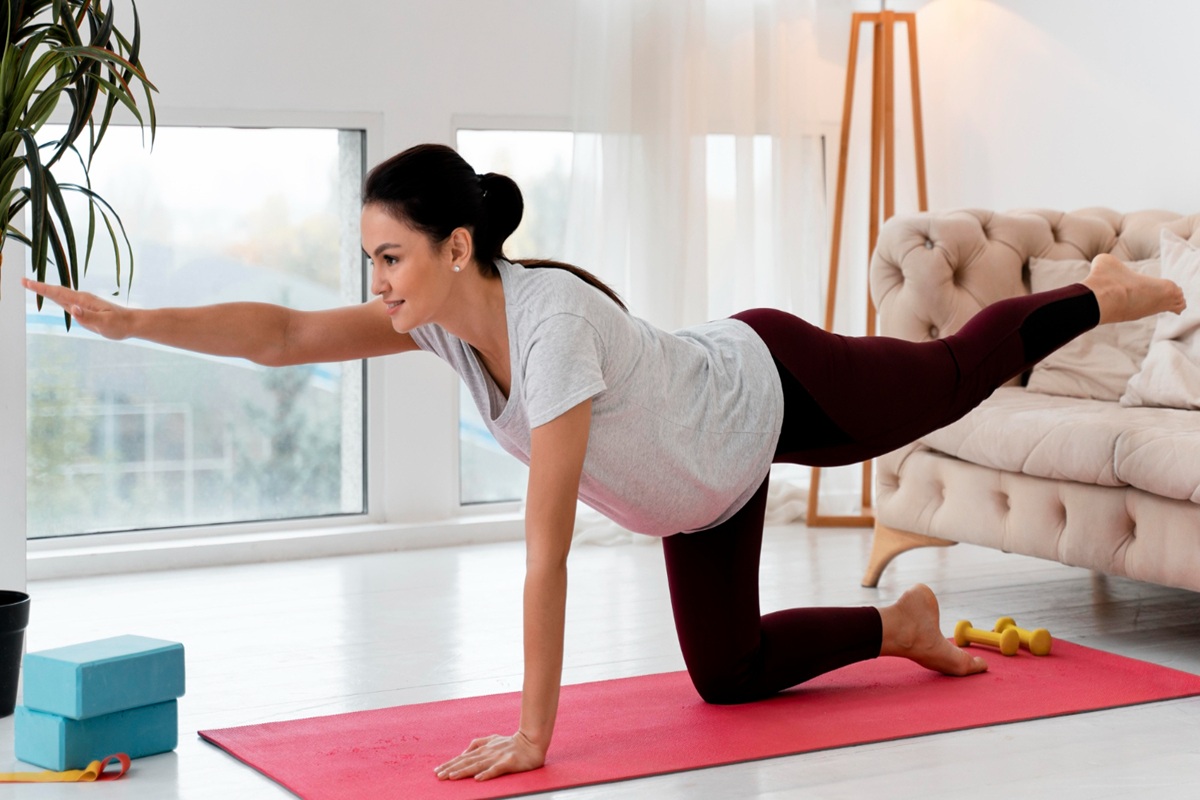
Pregnancy and childbirth bring profound changes to the body, many of which are felt most deeply in the pelvic floor. Even months after delivery, some women in Singapore continue to experience core weakness, lower back discomfort, pelvic heaviness, or reduced confidence in movement. Traditional workouts can feel too intense, while rest alone does not rebuild strength. This is where aerial yoga offers a supportive and intelligent pathway to recovery.
By combining gentle resistance, gravity assisted alignment, and mindful movement, aerial yoga helps reconnect the pelvic floor with the rest of the body. It allows postpartum women to rebuild strength gradually, without pressure or strain, while restoring trust in their bodies.
Understanding the pelvic floor after pregnancy
The pelvic floor is a group of muscles that supports the bladder, uterus, and bowel. During pregnancy, these muscles stretch to accommodate the growing baby. Vaginal delivery, assisted birth, or prolonged labour can further weaken or overstress them.
Common postpartum pelvic floor challenges include:
-
A feeling of heaviness or pressure in the pelvis
-
Lower back or hip discomfort
-
Reduced core stability
-
Difficulty coordinating breath and movement
-
Hesitation or fear around exercise
These experiences are common, yet many women feel unsure about how to rebuild strength safely.
Why gentle reconditioning matters
Rushing back into high impact exercise can increase strain on an already vulnerable pelvic floor. Conversely, avoiding movement for too long may slow recovery. The ideal approach focuses on controlled, progressive engagement supported by breath and alignment.
Aerial yoga offers this balance by:
-
Reducing body weight load through hammock support
-
Encouraging slow, mindful muscle activation
-
Supporting posture and spinal alignment
-
Allowing rest without disengagement
This makes it particularly suitable for postpartum bodies that need care, patience, and intelligent progression.
How aerial yoga supports pelvic floor activation
Unlike isolated pelvic exercises, aerial yoga integrates the pelvic floor into whole body movement. The hammock provides feedback that helps practitioners sense engagement without forcing contraction.
Key mechanisms include:
-
Breath led engagement: Exhalation naturally activates the pelvic floor
-
Core integration: Pelvic muscles work with deep abdominal stabilisers
-
Postural support: Proper alignment reduces downward pressure
-
Gradual loading: Strength builds without sudden impact
This approach helps women develop functional strength that carries into daily activities such as lifting, walking, and standing.
The role of the hammock in postpartum confidence
After childbirth, many women feel disconnected from their bodies or uncertain about movement. The aerial hammock acts as both physical and psychological support.
Benefits of hammock support include:
-
A sense of safety during balance based poses
-
Reduced fear of strain or injury
-
Gentle resistance for muscle engagement
-
Enhanced body awareness through tactile feedback
This supportive environment helps rebuild confidence alongside strength.
Key aerial yoga movements for pelvic floor recovery
While classes vary, certain aerial yoga movements are especially beneficial for postpartum pelvic health.
Supported squats with aerial assistance
Using the hammock to support body weight allows squatting without excessive pelvic pressure.
This helps:
-
Strengthen glutes and pelvic floor together
-
Improve hip mobility
-
Reinforce proper lifting mechanics
Aerial pelvic tilts
Gentle tilting movements performed with hammock support help reconnect pelvic awareness with breath.
Benefits include:
-
Improved coordination between breath and core
-
Reduced lower back tension
-
Enhanced pelvic control
Side lying aerial support poses
These poses encourage lateral stability and pelvic balance.
They support:
-
Symmetrical muscle engagement
-
Hip and pelvic alignment
-
Reduced compensation patterns
Addressing posture and spinal alignment postpartum
Pregnancy and early childcare often lead to forward rounding of the shoulders and an exaggerated lower back curve. These postural changes place additional strain on the pelvic floor.
Aerial yoga helps restore alignment by:
-
Encouraging neutral spine awareness
-
Strengthening postural muscles gently
-
Reducing excessive spinal compression
-
Supporting balanced muscle tone
As posture improves, pressure on the pelvic floor decreases, allowing recovery to progress more effectively.
Emotional recovery and pelvic health
Postpartum recovery is not purely physical. Emotional wellbeing plays a significant role in muscle tension, breath patterns, and healing. Stress and fatigue can inhibit pelvic floor engagement and slow recovery.
Aerial yoga supports emotional recovery through:
-
Calm, rhythmic movement
-
Nervous system regulation
-
Reduced performance pressure
-
A non judgemental space for self reconnection
Many women find that as emotional tension decreases, physical awareness and control improve naturally.
When to start aerial yoga after childbirth
The right time to begin aerial yoga varies depending on individual recovery and medical advice. Generally, women are encouraged to wait until they receive clearance from a healthcare professional.
Once cleared, aerial yoga can be introduced gradually with:
-
Modified poses
-
Emphasis on breath and alignment
-
Avoidance of deep inversions initially
-
Close attention to physical feedback
Progression should feel supportive rather than demanding.
Building long term pelvic resilience
The goal of postpartum recovery is not just returning to pre pregnancy fitness, but building resilience for future demands. Aerial yoga supports this by developing strength, coordination, and awareness together.
Long term benefits may include:
-
Improved bladder and pelvic control
-
Greater confidence in movement
-
Reduced risk of future pelvic issues
-
Better support during daily tasks
This functional strength supports both active lifestyles and everyday parenting activities.
The importance of guided instruction
Pelvic floor recovery requires knowledge and sensitivity. Proper instruction ensures that movements support healing rather than undermine it.
Studios like Yoga Edition emphasise controlled pacing, clear guidance, and respect for individual recovery journeys. This professional approach helps postpartum women practise safely while gaining meaningful benefits.
Real-life FAQs
Q: Can aerial yoga help with pelvic floor weakness after childbirth?
A: Yes. When practised with appropriate guidance, aerial yoga supports gentle strengthening and coordination of the pelvic floor without excessive pressure.
Q: Is aerial yoga safe after a caesarean birth?
A: Many women can practise aerial yoga after a caesarean once medically cleared. Modifications and gradual progression are essential, especially in early stages.
Q: Will aerial yoga worsen pelvic heaviness or prolapse symptoms?
A: Properly guided aerial yoga focuses on alignment and support. It should not worsen symptoms when practised correctly, but medical advice is recommended for existing conditions.
Q: How often should postpartum women practise aerial yoga?
A: One to two sessions per week is often sufficient. Consistency and mindful practice matter more than frequency.
Q: Can aerial yoga replace pelvic floor physiotherapy?
A: Aerial yoga complements professional care but does not replace pelvic health physiotherapy when clinically indicated.
Q: Do I need prior yoga experience to start aerial yoga postpartum?
A: No. Classes can be adapted for beginners, with emphasis on safety, comfort, and gradual progression.
By offering support, awareness, and intelligent movement, aerial yoga provides postpartum women with a respectful and effective way to rebuild pelvic floor strength and reconnect with their bodies over time.